Tastes
Taste skills for AI coding agents.
A taste skill is a complete visual identity — tokens, components, layouts and motion — that your coding agent applies to every screen it builds. Not a style guide it may ignore, not one template it copies: a point of view it can hold across a whole product.
13 of 441 tastes · Pitch decks & slides · Print & editorial · Light
In the studio · 13
Packaged. Covers are each package’s own exemplar page; a taste lists once it passes Taste QA twice.
 Pro
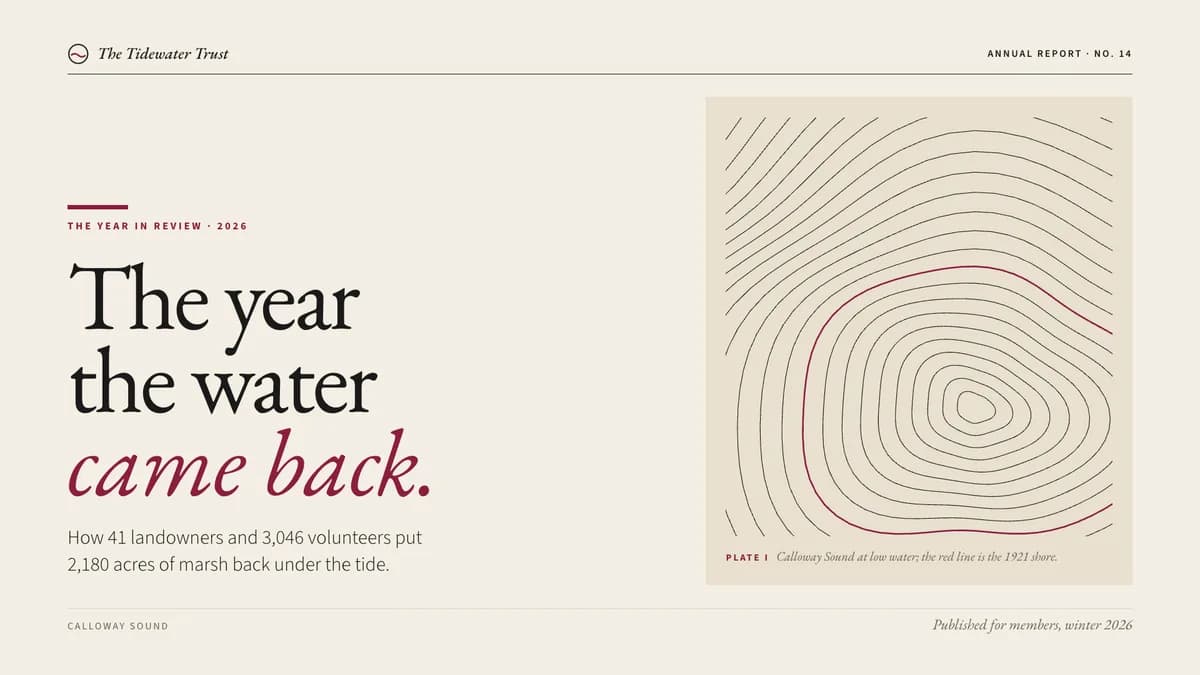
Editorial Report
A deck that reads like a magazine
EB Garamond / Source Sans 3Pro Pro
Lecture
Research talks set like a journal
Source Serif 4Pro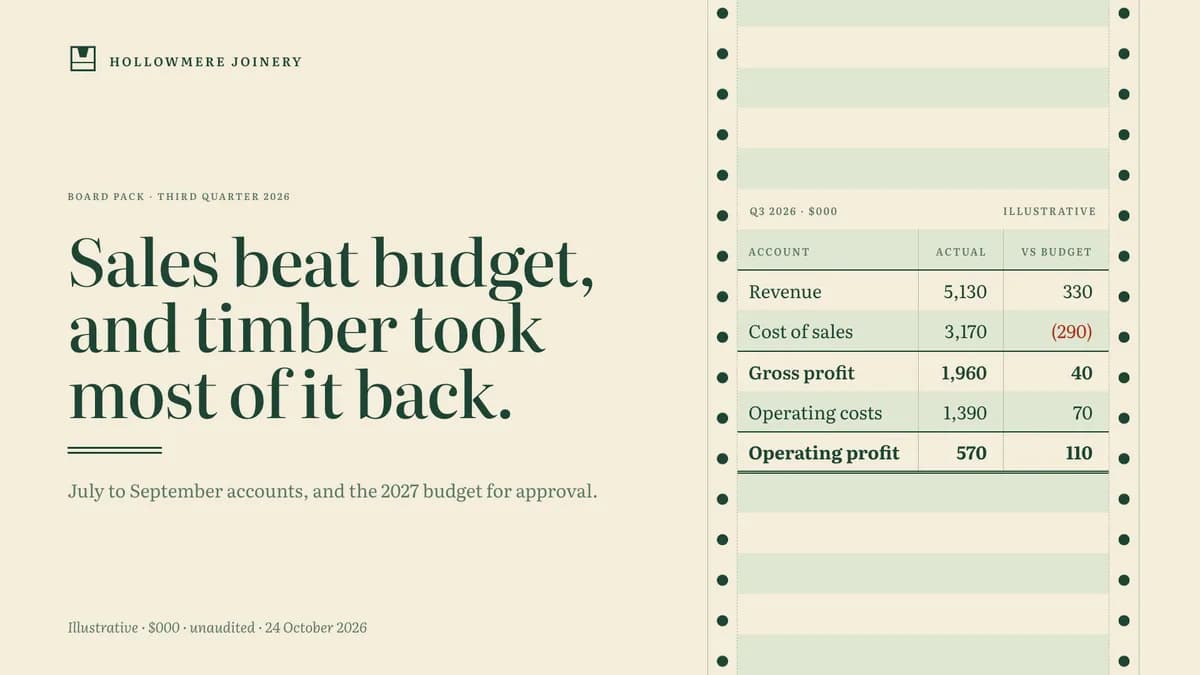 Pro
Ledger Deck
Account-book slides with green-bar tables and red negatives
LiterataPro Pro
Memo
Typed-memo slides with a red correction pen and rubber stamps
Courier Prime / IBM Plex SerifPro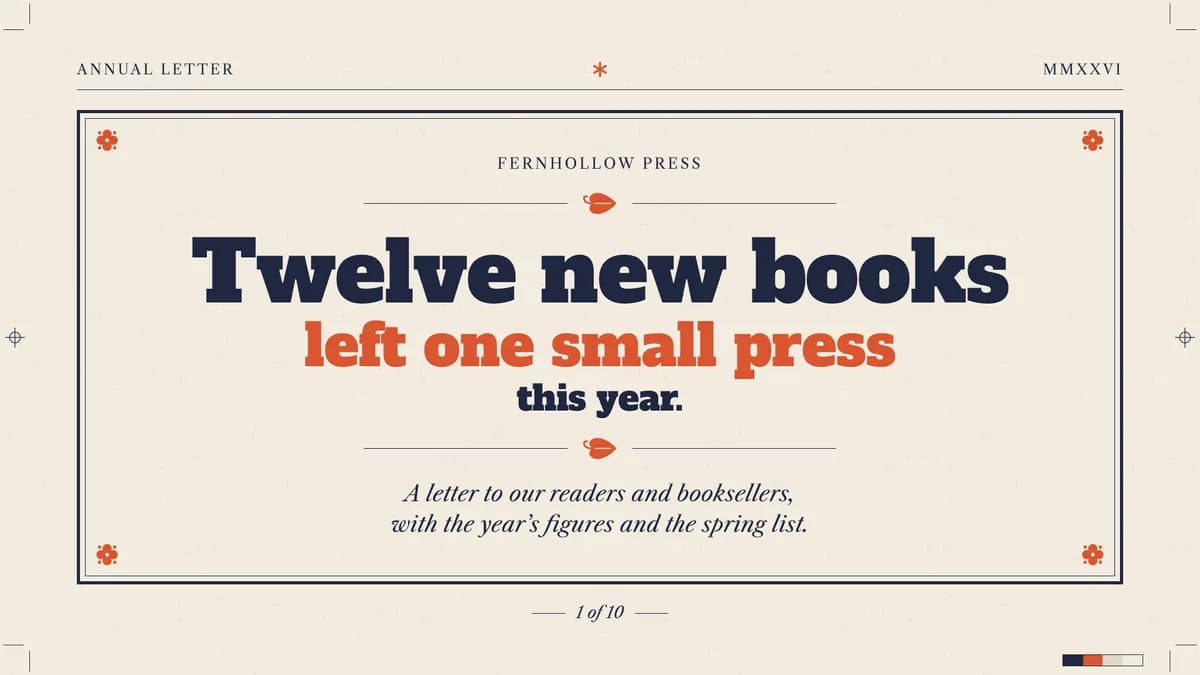 Pro
Letterpress Deck
Cotton-paper slides in two spot inks, wood type, printer's ornaments and crop marks
Alfa Slab One / Libre Caslon TextPro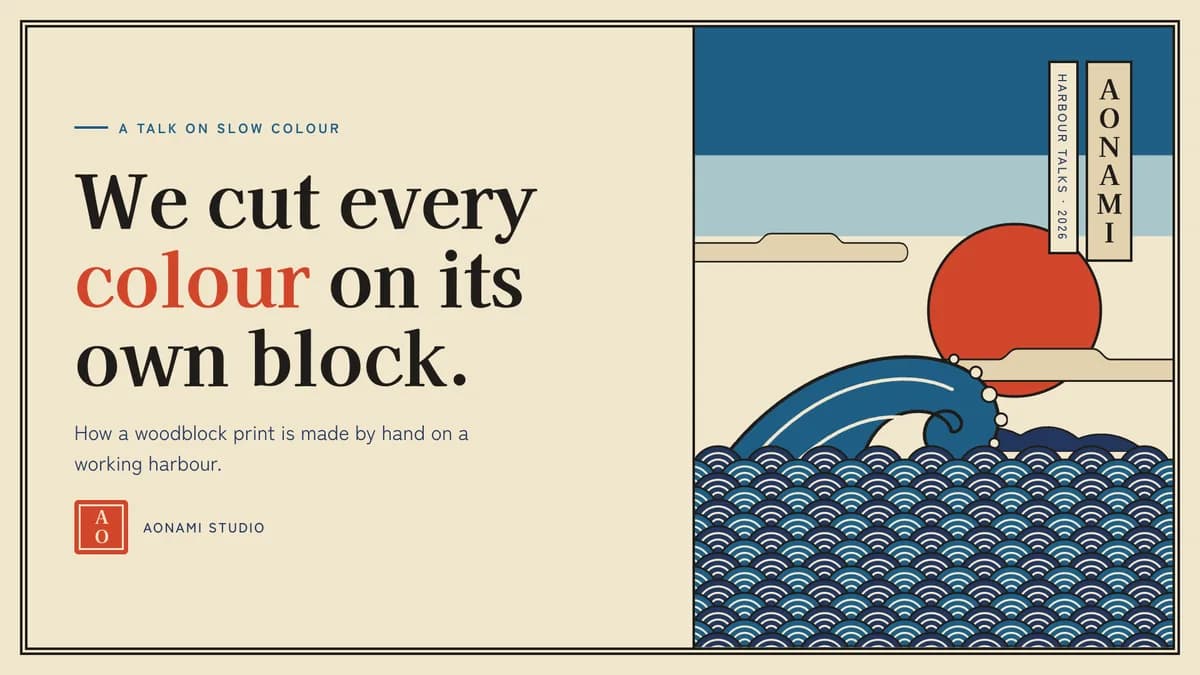 Pro
Ukiyo-e Deck
Woodblock-print slides: flat indigo and vermilion on washi, keylines, cartouches and a seal
Kaisei Tokumin / Zen Kaku Gothic NewPro Pro
Heraldic Deck
Coat-of-arms slides: invented crests, flat tinctures, quartered fields, ribbons and titling caps
Castoro Titling / CastoroPro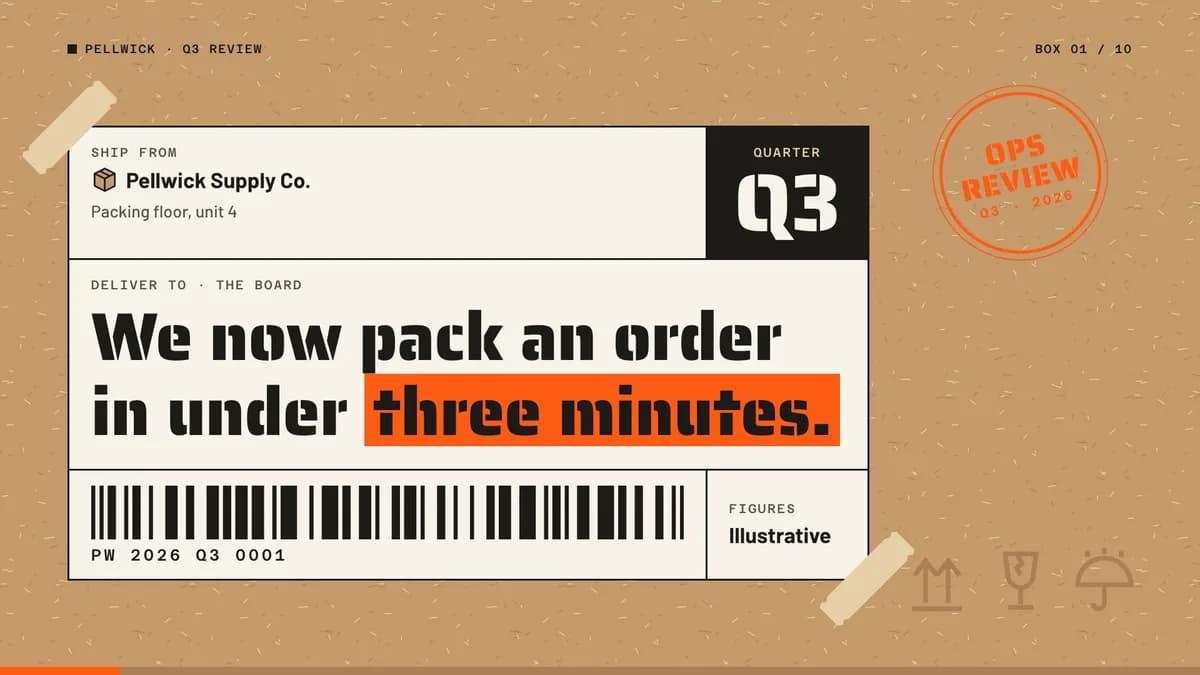 Pro
Kraft Deck
Parcel slides: shipping labels on kraft board, tape, stamps and one safety orange
Saira Stencil One / BarlowPro Pro
Expedition Deck
Field-journal slides: specimen tags, a drawn route map and one red date stamp
Zilla SlabPro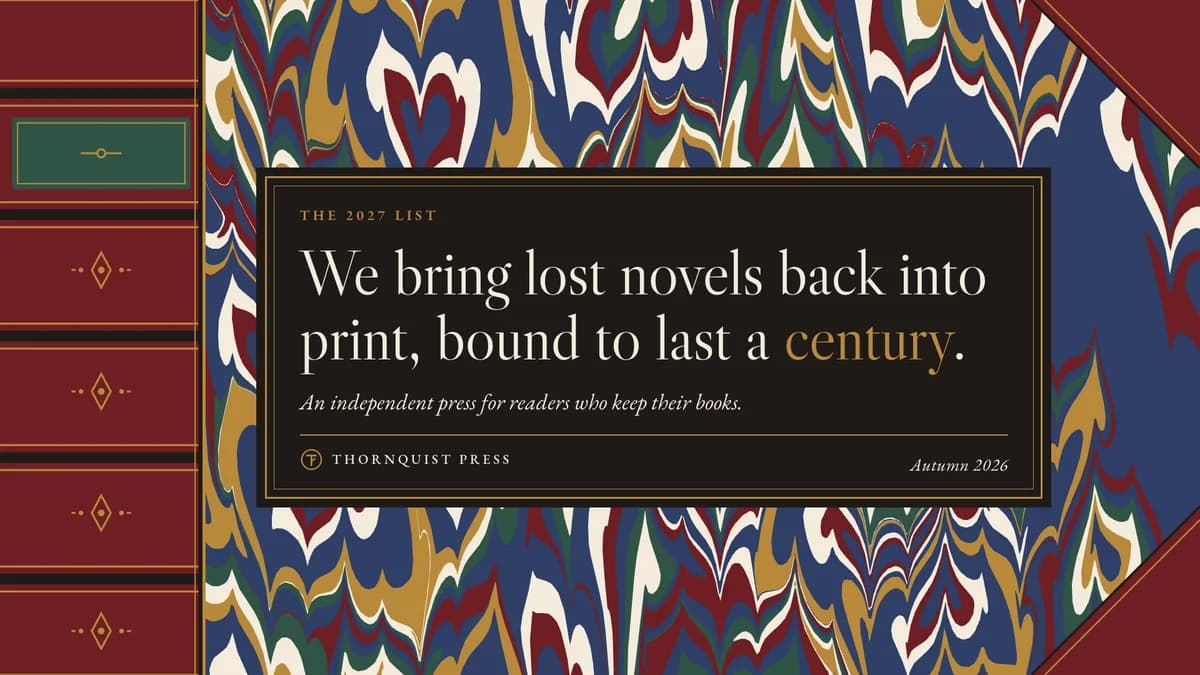 Pro
Marbled Deck
Bound slides: a half-leather cover, marbled endpapers, gilt rules and Caslon claims
Libre Caslon Display / EB GaramondPro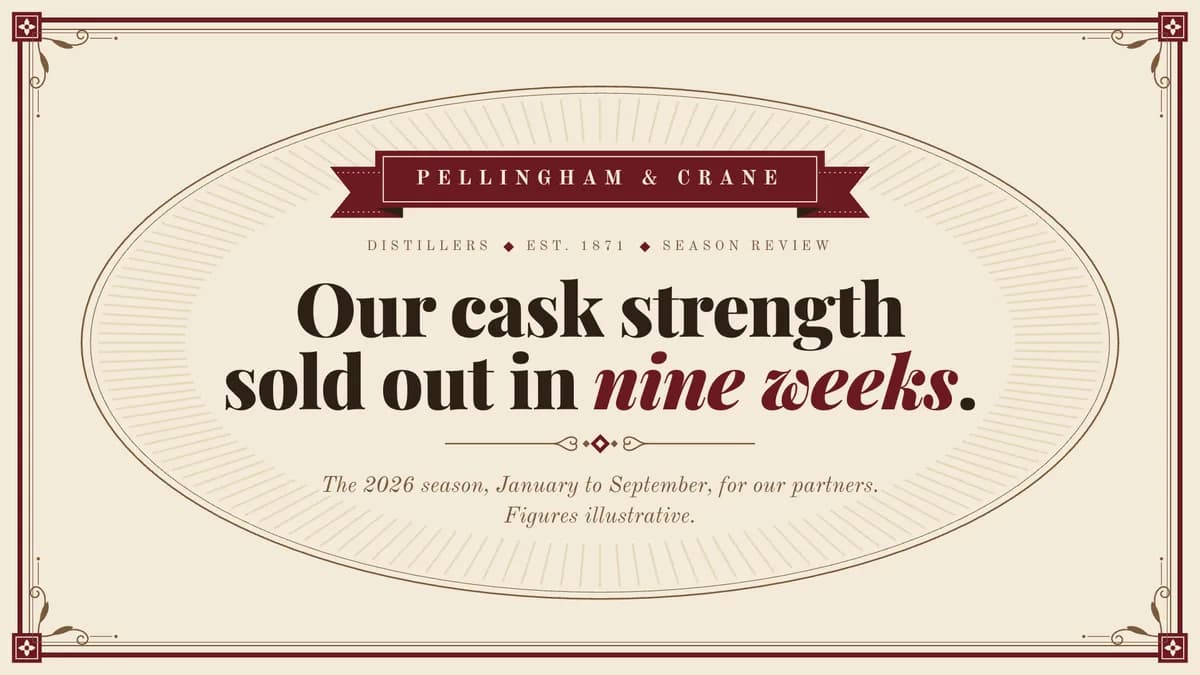 Pro
Victorian Deck
Ephemera slides: fat-face claims inside engraved oxblood borders on cream card
Playfair Display / Old Standard TTPro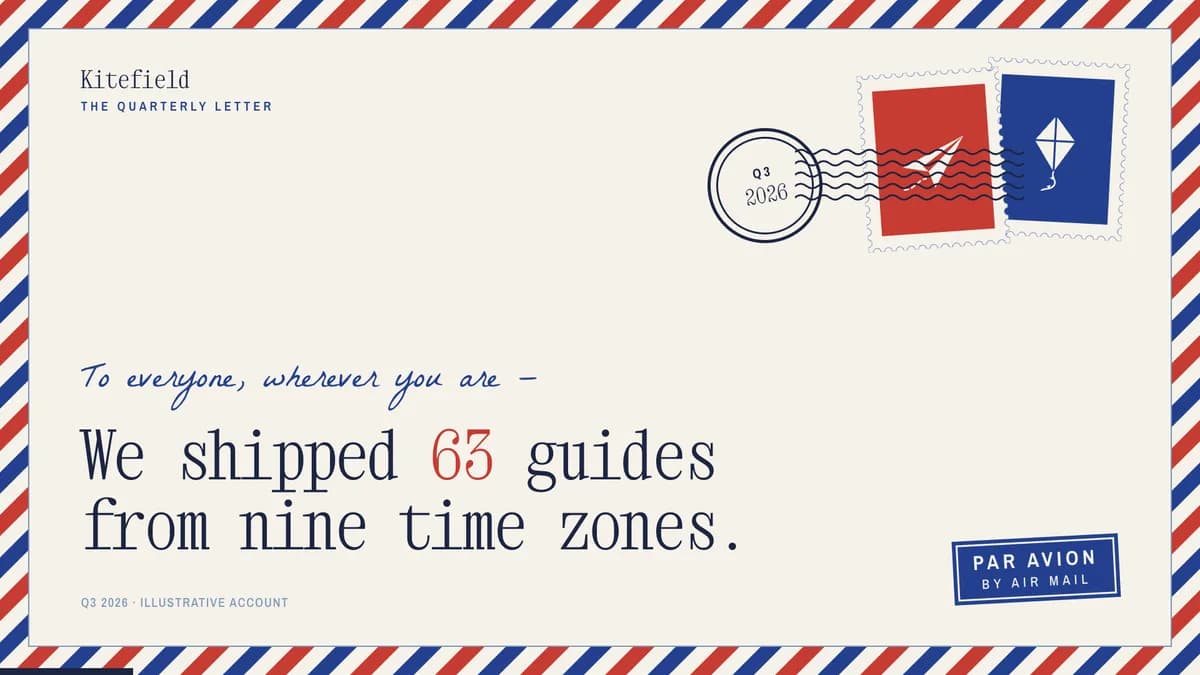 Pro
Airmail Deck
Letter slides: chevron borders, invented stamps and postmarks, onionskin blue, a pen hand
Xanh Mono / Archivo NarrowPro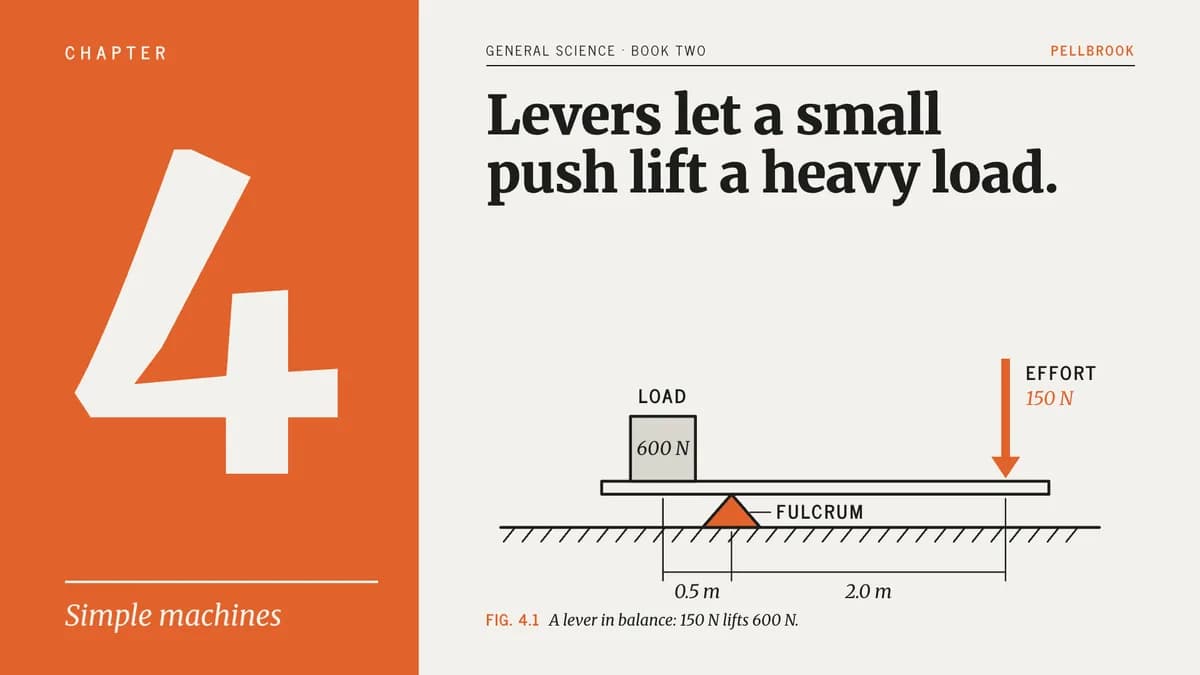 Pro
Textbook Deck
Two-colour textbook slides: numbered figures, labelled diagrams, worked examples
MerriweatherPro
By use
What are you building?
How to install a taste- Landing pages380 tastesEditorial, Swiss, Brutalist…
- Web apps & dashboards227 tastesEditorial, Swiss, Terminal…
- Online stores169 tastesSoft Depth, Playful Pop, Quiet Luxury…
- Portfolios47 tastesEditorial, Brutalist, Quiet Luxury…
- Blogs & publications78 tastesEditorial, Swiss, Risograph…
- Docs & developer tools49 tastesBrutalist, Terminal, Midnight…
- Launch videos119 tastesGlow UI, Kinetic Type, Terminal…
- Social images & OG cards98 tastesSignal Card, Quote Card, Infographic…
- Pitch decks & slides88 tastesStatement, Sketchnote, Keynote Dark…
- All tastes441 tastesSearch by style, tone or keyword
Questions
Questions, answered.
- What is a taste skill?
- A folder your coding agent reads before it designs anything: a manifesto, design tokens, component and layout rules, motion, and do/don’t examples. Install it once and every page or screen the agent builds follows that identity instead of framework defaults.
- Which agents does it work with?
- Claude Code, Cursor, Codex, Gemini CLI and any agent that reads Agent Skills (a SKILL.md folder). The install guide covers each one.
- Does it work with my framework?
- Yes. Tokens ship as CSS variables, Tailwind v3 and v4 config and neutral JSON, and the rules are written for plain HTML/CSS, so React, Next.js, Vue, Svelte or static sites all work.
- How do I know it actually works?
- A taste goes on sale only after it passes Taste QA twice: a fresh agent builds the same standard brief with the skill installed, and the result is graded against a written checklist. The before/after on each skill page comes from a run of that brief.